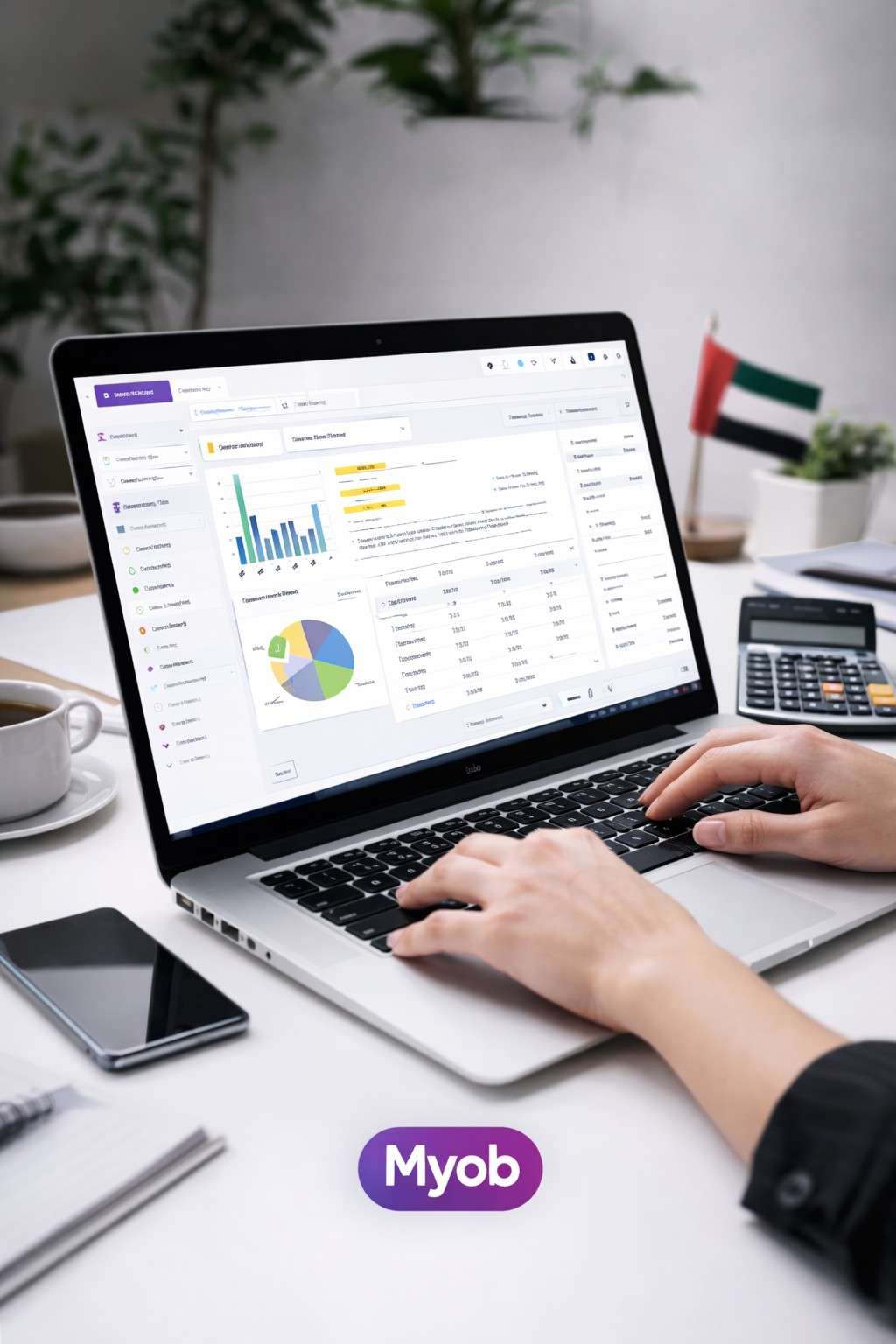


MYOB Accounting Data for Compliance Workflows
How MYOB Records Reach Invoice Workflows
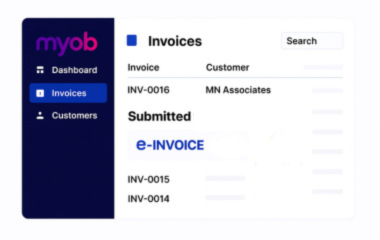
- Ledger Record Intake: MYOB records are collected and prepared for downstream Vietnam invoice processing workflows efficiently.
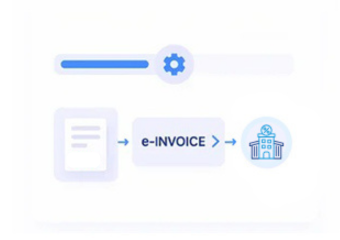
- Account Field Translation: Account and transaction fields are translated into structured invoice information for connected business systems.
- Source Record Checking: Relevant records are checked carefully before invoice information proceeds through subsequent processing stages securely.
- Tax Attribute Linking: Tax attributes are associated with applicable transactions before electronic invoice preparation continues through workflows.
- Finance Process Synchronization: Prepared information can synchronize with ERP finance processes for reconciliation and reporting activities efficiently.
- Billing Record Tracking: Processed records can support status review and organized financial documentation across business operations systematically.
What Does MYOB Integration Connect?
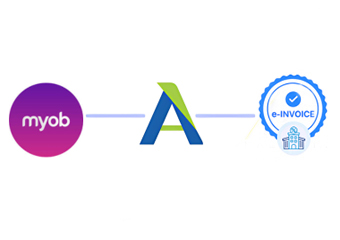
Advintek establishes a structured bridge between MYOB accounting data and downstream enterprise finance operations. Rather than focusing only on invoice creation, the integration can connect ledger classifications, source transactions, customer and supplier records, tax attributes, and resulting billing information.
- Link ledger data with billing workflows
- Map accounting classifications into invoice structures
- Associate source transactions with billing records
- Connect invoice data with ERP reporting
Why Practical Benefits for MYOB Finance Teams
- Maintain Accounting Continuity: MYOB ledger information can feed invoice workflows while preserving underlying accounting classifications and transaction context.
- Simplify Reconciliation Efforts: Structured field exchange reduces reconciliation effort between accounting records and downstream billing operations significantly.
- Trace Transaction Origins: Connected processing helps finance teams trace invoice information back to originating MYOB transactions efficiently.
- Review Billing Activity: Organized records support clearer review of billing activity across accounting and enterprise finance teams.
- Integrate Reporting Workflows: Centralized invoice information can strengthen reporting workflows across MYOB and connected ERP environments effectively.
- Control Billing Processing: Consistent data pathways help finance teams coordinate E-billing with established accounting controls effectively.
Vietnam E-Invoicing Tools for MYOB
Invoice Status Review
Review invoice status information alongside originating MYOB transaction references and accounting records regularly.
Reconciliation Assistance
Compare processed invoice data with source records during detailed finance reconciliation activities.
Reporting Data Access
Access organized billing information for reporting, audit preparation, and internal financial analysis activities.
Supporting MYOB Operations in Vietnam
Advintek supports businesses using MYOB for accounting while connecting their financial environment with broader ERP, billing, reporting, and Vietnam electronic invoice processes.
- Align accounting data with invoice workflows
- Organize financial records across connected systems
- Coordinate transaction details for invoice processing
- Maintain visibility across billing and finance operations
Simplify Your Digital Invoice Workflow
Connect MYOB accounting data with Vietnam invoice workflows through Advintek.
Link Ledger Information Across ERP Processes.
Ready e-Invoice System
Frequently Asked Questions MYOB e-Invoicing in Vietnam
Which MYOB accounting records can feed invoice processing?
MYOB can contain ledger entries, customer and supplier information, account classifications, transaction references, tax details, and billing information that may support invoice workflows. Advintek can structure relevant records for Vietnam electronic invoice processing, helping finance teams establish a clearer connection between originating accounting information, downstream billing documents, ERP processes, and financial reporting activities.
Can MYOB ledger classifications remain connected to invoices?
Yes. Relevant MYOB account classifications and transaction references can be carried into connected invoice workflows where applicable. Advintek helps organize source accounting information so finance teams can maintain greater traceability between ledger activity and resulting billing records. This can support reconciliation and reporting while connecting MYOB with broader enterprise finance processes.
How does MYOB data support Vietnam tax processing?
MYOB records containing applicable tax attributes can contribute to structured Vietnam invoice workflows through Advintek. Relevant tax information can be associated with source transactions and organized alongside billing data before downstream processing. GDT-related activities can therefore be supported through a structured information flow connecting accounting records, invoice preparation, and broader finance administration.
Can MYOB connect invoice records with ERP reporting?
Advintek can connect relevant MYOB-derived invoice information with broader ERP reporting processes. Once structured, billing records can contribute to reconciliation, financial analysis, operational reporting, and accounting review. This helps organizations establish a more connected relationship between MYOB source information and enterprise finance activities instead of treating electronic invoices as separate documents.
How does Advintek improve traceability from MYOB transactions?
Advintek can preserve relevant relationships between MYOB source transactions and associated invoice information throughout connected processing workflows. Finance teams can use these relationships when reviewing billing activity, reconciling records, or investigating invoice information. This creates greater visibility into where billing data originated and how it progressed through connected accounting and ERP processes.