QuickBooks Enterprise Compliance for Workflows
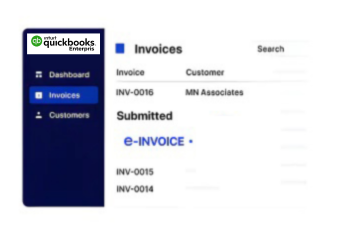
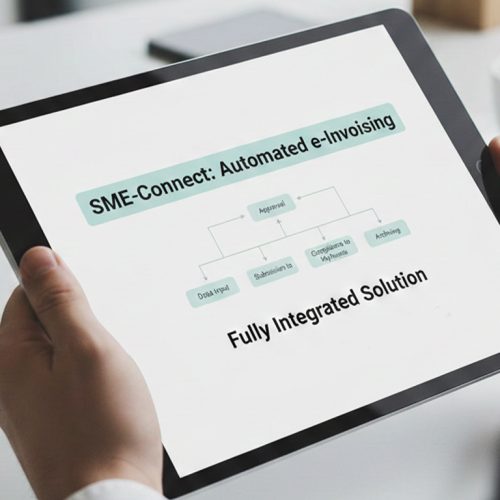
How QuickBooks Enterprise Data Reaches Advintek
- Enterprise Data Intake: Relevant QuickBooks Enterprise records are collected from company workflows for structured invoice preparation and processing.
- Field Structure Conversion: Account, customer, item, and transaction fields are transformed for connected electronic invoice and ERP workflows.
- Transaction Integrity Review: Source records are reviewed for completeness before entering downstream billing, tax, and compliance processes.
- Tax Information Linking: Applicable tax attributes are connected with corresponding transactions during structured electronic invoice preparation activities.
- ERP Information Exchange: Prepared invoice information is shared with connected enterprise finance and reporting environments for downstream processing.
- Source Reference Tracking: Invoice outputs remain associated with originating records to support reconciliation, review, and financial control.
What Advintek Connects Across Enterprise Finance
Advintek links QuickBooks Enterprise with wider ERP finance processes, organizing company, subsidiary, customer, account, tax, transaction, and invoice data for connected electronic invoicing, reporting, and financial operations.
- Map company structures into invoice workflows
- Link customer masters across finance operations
- Associate tax details with transactions
- Connect invoice records with ERP reporting
Business Value Across QuickBooks Enterprise Finance
- Enterprise Financial Visibility: Provide finance teams clearer oversight of invoice activity across companies, subsidiaries, and connected ERP operations.
- Centralized Process Coordination: Coordinate financial information across business units while preserving relevant accounting and reporting relationships.
- Faster Financial Reconciliation: Relate electronic invoices to originating transactions for efficient review across enterprise finance processes.
- Stronger Record Traceability: Connect billing outputs with source records, account structures, and processing references for financial oversight.
- Connected Reporting Continuity: Extend structured invoice information into enterprise reporting environments supporting broader financial analysis and management.
- Controlled Workflow Governance: Establish organized pathways for accounting information entering invoice, compliance, and downstream ERP processes.
Vietnam E-Invoicing Capabilities for QuickBooks Enterprise
Invoice Activity Oversight
Review invoice processing information across Vietnam electronic invoicing and connected enterprise finance environments.
Business Unit Reporting
Access structured invoice information for company-level reconciliation, analysis, and financial management within ERP environments.
Invoice Exception Management
Identify invoice data issues requiring review before records proceed through connected enterprise business processes.
QuickBooks Enterprise Support in Vietnam
Advintek supports QuickBooks Enterprise environments by connecting multi-company accounting structures with Vietnam electronic invoicing, ERP finance processes, tax information, and enterprise reporting requirements.
- Coordinate subsidiaries with centralized invoice workflows
- Relate inventory records to billing activity
- Connect financial dimensions with invoice records
- Support enterprise reporting through structured data
Strengthen Your Invoice Compliance Workflow
Connect your enterprise accounting environment with Vietnam invoice workflows today.
Coordinate company data across connected ERP finance processes.
Ready e-Invoice System
Frequently Asked Questions QuickBooks Enterprise e-Invoicing in Vietnam
How does QuickBooks Enterprise fit into Vietnam ERP invoicing?
QuickBooks Enterprise can provide company, customer, transaction, item, account, and tax information for connected invoice workflows. Advintek structures relevant records before they enter Vietnam electronic invoicing processes, helping enterprise finance teams preserve accounting context while connecting billing activity with ERP reporting, reconciliation, and broader financial management operations and reporting requirements.
Which enterprise records can Advintek use from QuickBooks Enterprise?
Advintek can work with records such as company information, customer masters, sales transactions, inventory details, account classifications, tax attributes, and invoice references. These records can be organized according to the connected business workflow, allowing finance teams to establish relationships between originating QuickBooks Enterprise activity, structured invoices, and downstream ERP processes without recreating information manually.
Can QuickBooks Enterprise support subsidiary-level invoice processing?
Yes. QuickBooks Enterprise information can support workflows involving separate companies or business units when relevant records are appropriately structured. Advintek can coordinate subsidiary information with customer, transaction, account, tax, and invoice data, helping centralized finance teams maintain clearer distinctions while connecting business-unit activity with shared ERP reporting and E-invoicing processes.
How are Vietnam tax requirements reflected in QuickBooks Enterprise workflows?
Advintek can associate applicable tax information with QuickBooks Enterprise transactions and related billing records during invoice preparation. Relevant tax attributes are organized alongside source accounting information before processing continues. This supports GDT-aligned workflows while helping enterprise finance teams maintain stronger visibility between tax information, originating transactions, E-invoices, and ERP reporting.
What ERP benefits come from connecting QuickBooks Enterprise with Advintek?
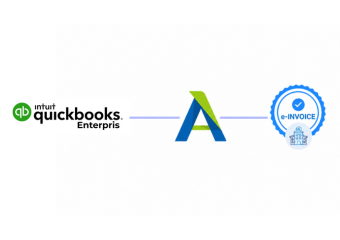
Connecting QuickBooks Enterprise with Advintek creates a structured link between enterprise accounting and Vietnam electronic invoicing. Finance teams can coordinate company records, transactions, customer data, tax attributes, invoice outputs, and reporting information across connected workflows. This supports stronger reconciliation, financial visibility, process governance, and centralized oversight across broader ERP operations.