

Regulatory Readiness for Microsoft Dynamics 365 Operations
Microsoft Dynamics UAE FTA E-Invoicing Complete User Guide
How Microsoft Dynamics Invoice Data Connects
- Select Business Transactions: Applicable sales, purchasing, service, and financial transactions are identified within connected Dynamics 365 modules.
- Establish Account Relationships: Customer, vendor, and organizational records are associated with their originating transaction information.
- Check Source Documents: Orders, receipts, deliveries, and related references are reviewed before invoice preparation begins.
- Compile Financial Context: Relevant ledger, tax, account, and transaction information is assembled around each invoice record.
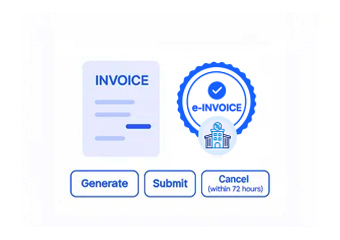
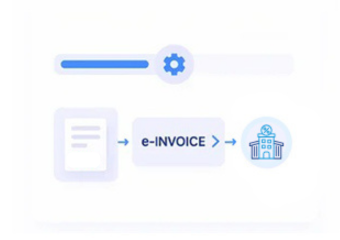
- Structure Invoice Information: Validated Dynamics 365 data is arranged into structured electronic invoice information for processing.
- Route Compliance Records: Prepared invoice information progresses through Advintek workflows supporting applicable Vietnam electronic invoicing requirements.
Connecting Microsoft Dynamics 365 Business Records
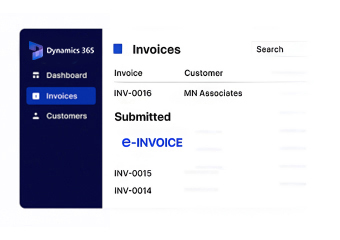
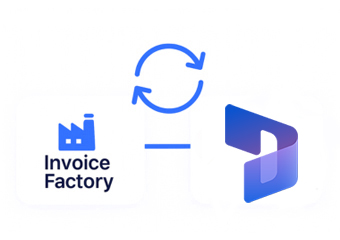
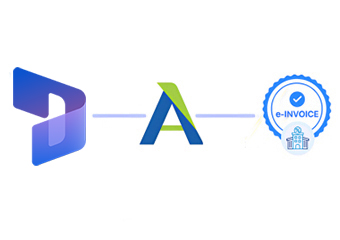
Microsoft Dynamics 365 connects commercial, financial, procurement, inventory, and organizational records. Advintek aligns relevant ERP data with Vietnam e-invoicing workflows, preserving transaction visibility throughout invoice processing.
- Connect sales orders with billing
- Associate vendors with purchase documentation
- Relate receipts with payable transactions
- Match journals with invoice records
Practical Value Across Microsoft Dynamics 365Processes
- Finance Record Continuity: Invoice information remains associated with originating journals, accounts, and financial transactions throughout processing.
- Sales Transaction Traceability: Customer orders and related commercial records provide supporting context for invoice preparation.
- Procurement Documentation Clarity: Purchase orders and vendor information remain connected with corresponding payable documentation.
- Inventory Transaction Context: Stock movements and item information can support commercial records associated with invoicing activity.
- Entity Level Visibility: Legal entity information helps distinguish organizational ownership across connected Dynamics 365 transactions.
- Account Reconciliation Support: Customer and vendor account relationships provide useful references for subsequent financial review.
Core Tools for Vietnam Invoicing
Transaction Field Review
Relevant Microsoft Dynamics 365 fields can be checked before invoice information enters downstream electronic processing.
Document Linkage Control
Source transactions remain associated with corresponding invoice records throughout connected processing workflows.
Invoice Record Oversight
Finance teams can review processed invoice information alongside originating ERP transaction references.
Microsoft Dynamics 365 Support Across Vietnam
Microsoft Dynamics 365 can coordinate finance, customer management, procurement, inventory, sales, and organizational information within connected ERP processes. Advintek adds structured Vietnam e-invoicing workflows around these records, helping businesses align electronic invoice preparation with established Dynamics 365 operations.
- Coordinate receivables with invoices
- Associate payables with suppliers
- Connect items with sales records
- Align entities with financial documents
Improve Your Enterprise Invoice Workflow
Enable Vietnam E-Invoicing With Microsoft Dynamics 365
Align Invoice Processing With Your ERP
Ready e-Invoice System
Frequently Asked Questions Microsoft Dynamics E-Invoicing in Vietnam
What Microsoft Dynamics 365 information can be included in Vietnam e-invoices?
Microsoft Dynamics 365 contains business information across finance, sales, purchasing, inventory, customer management, and other operational areas. Relevant records can supply invoice details such as customer identities, supplier information, products, quantities, taxes, and transaction references. Advintek brings these records into structured Vietnam e-invoicing workflows while maintaining connections between source transactions and resulting electronic invoice documentation.
Why are legal entities important when processing Microsoft Dynamics 365 invoices?
Legal entities establish organizational and accounting context for transactions maintained within Microsoft Dynamics 365. They help identify the business entity associated with particular financial and commercial activity. Advintek can incorporate applicable entity information into invoice workflows, allowing organizations to retain ownership details, accounting references, and transaction context throughout e-Invoicing in Vietnam processing.
What purchasing information from Microsoft Dynamics 365 can support invoice creation?
Purchase orders contain useful details such as supplier information, products, quantities, prices, and transaction references. These records can be associated with vendor and financial information before an electronic invoice is prepared. Advintek coordinates applicable purchasing data within Vietnam e-Invoicing Software workflows, preserving relationships between procurement activity and corresponding invoice documentation.
Which finance records in Microsoft Dynamics 365 can be associated with invoices?
Microsoft Dynamics 365 financial areas may contain accounts, journals, tax information, business entities, and transaction references. Applicable records provide supporting context when electronic invoices are prepared from ERP activity. Advintek coordinates these details with structured invoice records, helping finance teams trace resulting documentation back to originating transactions and support e-Invoicing Solutions in Vietnam.
Where does GDT fit within Microsoft Dynamics 365 e-invoicing processes?
Vietnam’s General Department of Taxation, or GDT, oversees tax administration and applicable electronic invoicing requirements. Microsoft Dynamics 365 information can be organized into workflows that account for relevant invoice and tax details. Advintek connects applicable ERP records with structured Vietnam e-invoicing processes, supporting invoice preparation and processing within the relevant regulatory framework.