

Oracle NetSuite ERP Data for Vietnam Compliance
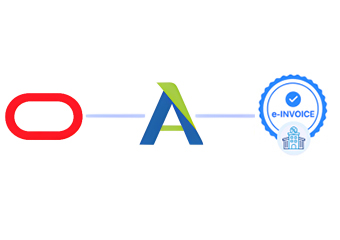
How Oracle NetSuite Transactions Enter Advintek
- Financial Activity Capture: Relevant Oracle NetSuite transactions are collected with accounting context before entering structured invoice processing workflows.
- Commercial Context Assembly: Customer, order, item, pricing, and fulfillment information is combined around originating transactions.
- Billing Information Preparation: Applicable transaction information is organized into structured records using validated Oracle NetSuite source data.
- Entity Context Verification: Subsidiary, currency, tax, and organizational information is reviewed before invoice processing continues.
- Transaction Relationship Checking: Invoice inputs are compared with associated NetSuite records to preserve financial and operational relationships.
- Structured Invoice Routing: Validated information proceeds through Advintek while retaining references to originating Oracle NetSuite transactions.
Oracle NetSuite Data Connected Across Finance
Advintek connects NetSuite ERP information with Vietnam invoice processing across financial management, order administration, fulfillment, subsidiaries, currencies, and customer transactions. Relevant records can enter workflows while preserving the relationships between operational activity and the accounting information.
- Connect customer orders with financial records
- Associate vendor purchases with accounting transactions
- Relate fulfillment activity to billing information
- Coordinate subsidiaries with invoice processing workflows
Business Impact Across Oracle NetSuite Operations
- Financial Process Continuity: Extend Oracle NetSuite financial activity into invoice workflows while retaining transaction context across connected accounting operations.
- Order Revenue Visibility: Connect customer order information with billing records for clearer commercial and financial transaction review.
- Procurement Transaction Control: Associate purchasing activity with vendor and accounting information throughout structured invoice processing workflows.
- Inventory Billing Context: Relate stock movements and fulfillment activity to transactions requiring supporting commercial and financial information.
- Subsidiary Reporting Alignment: Preserve organizational relationships when invoice records participate in multi-entity financial reporting processes.
- Currency Transaction Coordination: Maintain relevant currency context across international NetSuite transactions entering connected invoice workflows.
Oracle NetSuite Tools for Vietnam Invoicing
Financial Transaction Review
Examine invoice information alongside NetSuite accounting records for detailed financial verification and reconciliation.
Entity Context Analysis
Review subsidiary and currency relationships associated with invoice transactions across NetSuite operations.
Fulfillment Reference Insight
Trace fulfillment information against billing records to strengthen operational and financial transaction analysis.
NetSuite Support for Vietnam Enterprises
Advintek connects NetSuite financial, sales, procurement, inventory, fulfillment, subsidiary, and currency data with structured Vietnam invoice workflows, supporting GDT requirements.
- Coordinate receivables with customer transactions
- Connect procurement with vendor accounting
- Relate fulfillment to revenue records
- Support subsidiary reporting through structured data
Improve Your Digital Finance Operations
Integrate NetSuite with Vietnam invoice workflows through Advintek.
Simplify finance and enterprise operations.
Ready e-Invoice System
Frequently Asked Questions NetSuite E-Invoicing in Vietnam
How can NetSuite accounting information support Vietnam e-invoicing?
NetSuite accounting information can provide general ledger entries, receivables, payables, tax details, customer records, vendor information, and transaction references relevant to invoice preparation. Advintek can connect appropriate financial records with Vietnam electronic invoice workflows while retaining their original ERP relationships. This helps finance teams review invoice activity alongside the accounting context maintained within NetSuite.
Which NetSuite sales records can contribute to invoice preparation?
NetSuite sales transactions can contain customer information, item details, quantities, pricing, taxes, order references, and fulfillment relationships that support invoice creation. Advintek can associate relevant sales information with structured invoice records, helping organizations maintain continuity between order processing and financial operations. This creates a connected path from commercial activity through invoice processing.
How does NetSuite OneWorld information affect invoice processing?
NetSuite OneWorld supports organizations operating through multiple subsidiaries, currencies, and consolidated financial structures. Relevant subsidiary information can therefore determine the organizational context associated with a transaction. Advintek can preserve applicable entity relationships when processing invoice information, helping organizations maintain appropriate financial and operational context across connected NetSuite environments in Vietnam.
Can NetSuite fulfillment records support electronic invoice processing?
NetSuite fulfillment records can provide shipment, item, customer, location, and order references associated with commercial transactions. Advintek can connect appropriate fulfillment information with invoice records, helping finance teams verify relationships between delivered goods and corresponding billing activity. This creates stronger traceability across sales, warehouse execution, fulfillment, and downstream Vietnam electronic invoice processing.
Where does NetSuite inventory information fit within e-invoicing?
Inventory information can provide product, location, movement, and fulfillment context associated with sales transactions. Advintek can connect relevant inventory references with invoice workflows when those records help establish transaction relationships. This allows finance teams to review billing information alongside operational inventory activity while preserving the underlying NetSuite records and their relationships across ERP processes.