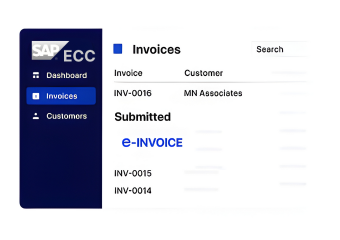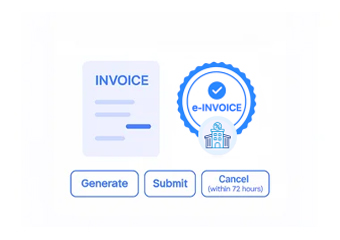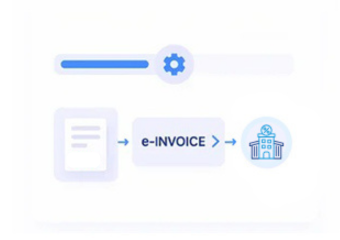


Compliance Capabilities Designed for SAP ECC
How Advintek Handles SAP ECC e-Invoicing
- Capture Sales Context: Collect relevant sales documents, customer information, and billing references from SAP ECC for structured processing.
- Review Finance Details: Examine accounting assignments and financial attributes before invoice information enters structured processing workflows carefully.
- Connect Material Activity: Associate material movements and inventory records with corresponding commercial transaction information for invoice preparation.
- Check Procurement References: Validate purchasing documents, supplier details, and receipt relationships supporting connected financial invoice processes accurately.
- Assemble Invoice Records: Construct structured invoice information from validated SAP ECC transaction and master data sources accurately.
- Route Validated Information: Send approved records through Advintek while preserving references to originating SAP ECC documents and transactions.
What Does SAP ECC Integration Handle?
Advintek connects SAP ECC enterprise information with Vietnam invoice processing, linking finance, sales, procurement, inventory, manufacturing, customer, and organizational records while preserving relationships between operational transactions and accounting structures through connected ERP workflows.
- Route sales documents into connected billing workflows
- Match purchases with corresponding supplier transaction records
- Track material movements alongside structured invoice data
- Integrate production orders with related financial records
The Practical Impact of SAP ECC
- Financial Process Continuity: Connect SAP ECC accounting information with invoice workflows without disrupting established enterprise financial processes.
- Sales Billing Visibility: Provide clearer relationships between sales documents, customers, billing activity, and resulting invoice records consistently.
- Procurement Finance Alignment: Coordinate purchasing information with supplier transactions and associated financial records during detailed finance review.
- Material Revenue Context: Preserve inventory and material movement context alongside transactions entering downstream billing workflows for finance.
- Production Transaction Traceability: Associate manufacturing activity with commercial records to strengthen operational and financial traceability across operations.
- Enterprise Reporting Coordination: Support consolidated analysis by retaining relevant organizational and accounting relationships across invoice processes effectively.
Core Tools for Vietnam e-Invoicing Management
Ledger Activity Review
Review connected accounting activity supporting invoice preparation and downstream financial reconciliation workflows consistently.
Document Relationship Analysis
Analyze relationships among sales, purchasing, material, and accounting documents across SAP ECC workflows.
Organizational Context Insight
Examine company code and organizational references associated with invoice transactions for reporting and reconciliation.
SAP ECC Support Across Vietnam
Advintek supports SAP ECC environments across Vietnam by connecting finance, sales, procurement, inventory, manufacturing, and organizational records with structured invoice processing while preserving source relationships within established enterprise workflows across connected business processes.
- Align company codes with connected finance workflows
- Link customer billing to related sales processes
- Map material records across revenue workflows
- Connect manufacturing reporting with structured data
Strengthen Your Digital Invoice Process
Link SAP ECC records to Vietnam invoice workflows through Advintek.
Align finance processes across connected ERP operations.
Ready e-Invoice System
Frequently Asked Questions SAP ECC E-Invoicing in Vietnam
How can SAP ECC sales documents support Vietnam e-invoicing?
Relevant SAP ECC sales documents can provide customer, item, pricing, tax, delivery, and billing information for structured invoice preparation. Advintek can associate applicable sales records with invoice workflows while retaining source references, allowing finance teams to connect electronic invoice information with the commercial transactions recorded inside SAP ECC and supporting clearer downstream reconciliation.
What procurement information can SAP ECC provide for invoicing?
Purchase orders, supplier records, goods receipts, material information, and purchasing references can provide useful context for connected invoice workflows. Advintek can associate applicable SAP ECC procurement information with structured processing, helping businesses preserve relationships between purchasing activity and financial records while giving finance teams clearer information for supplier transaction review and reconciliation.
Where do SAP ECC customer records contribute to invoices?]
Customer master information can provide identification, address, tax, account, and commercial relationship details needed for invoice preparation. Advintek can associate applicable customer information with SAP ECC sales and financial transactions, helping structured invoice records reflect the correct business context while preserving source relationships for finance teams reviewing customer billing activity.
What role can SAP ECC tax information play in Vietnam workflows?
Applicable tax information maintained or derived through SAP ECC transactions can provide important context for structured invoice preparation. Advintek can associate relevant tax attributes with source business records while supporting Vietnam invoice workflows. The General Department of Taxation, or GDT, provides the applicable tax-authority context, while SAP ECC remains the enterprise source for underlying transaction data.
Which SAP ECC records help verify invoice source information?
Invoice verification can draw on sales documents, customer records, delivery information, purchasing references, material movements, accounting documents, and organizational data. Advintek can preserve applicable source relationships while processing structured invoices, giving finance teams a clearer trail from invoice information back to SAP ECC records and supporting more informed reconciliation across enterprise operations.