Regulatory Readiness for Microsoft Dynamics 365 Finance
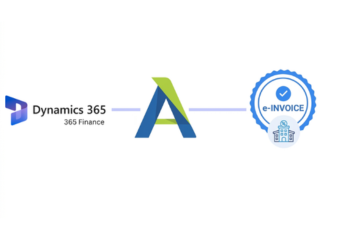
How Microsoft Dynamics 365 Finance Data Reaches Advintek
- Identify Finance Transactions: Relevant finance transactions are identified before selected records enter Advintek’s structured invoice processing workflow.
- Gather Account Information: Customer and vendor information is gathered to establish complete financial context for invoice preparation.
- Review Billing Records: Receivable and payable records are reviewed alongside source transactions before invoice information is assembled.
- Validate Tax Details: Tax and ledger details are checked to support accurate financial relationships during invoice processing.
- Structure Invoice Records: Validated Microsoft Dynamics 365 Finance information is organized into structured records suitable for electronic invoice processing and exchange.
- Complete Finance Handoff: Prepared invoice information proceeds toward connected finance environments for controlled downstream accounting and compliance.
What Advintek Connects Across Microsoft Dynamics 365 Finance
Microsoft Dynamics 365 Finance contains interconnected accounting, tax, receivable, payable, procurement, and organizational information. Advintek can coordinate selected ERP records with electronic invoice processing, preserving financial relationships while helping businesses align their existing Dynamics finance operations with Vietnam e-invoicing requirements.
- Associate customers with receivable transactions
- Connect vendors with payable records
- Relate ledger dimensions to invoices
- Link entities with financial documents
Financial Value Across Microsoft Dynamics 365 Finance
- Accounting Visibility: Microsoft Dynamics 365 Finance records remain connected with transactions throughout E-invoice preparation and downstream processing workflows.
- Receivable Coordination: Customer receivables retain supporting transaction context when billing information enters connected E-invoice processing workflows.
- Payable Context: Vendor liabilities and purchasing references provide useful context for supplier invoice processing across integrated finance operations.
- Ledger Classification: Financial dimensions help preserve accounting classifications when invoice information moves through connected tax and compliance workflows.
- Entity Management: Legal entity structures provide organizational context for invoices generated across multiple Dynamics financial and operational processes.
- Financial Control: Structured invoice information supports coordinated review between Dynamics accounting processes and E-invoicing validation and processing activities.
Core Vietnam E-Invoicing Finance Capabilities
Tax Configuration Review
Dynamics tax configuration information can support accurate invoice preparation across connected Vietnam e-invoicing workflows.
Ledger Reference Management
Financial references can remain associated with invoice records throughout structured processing and downstream accounting.
Entity Based Processing
Organizational references help route invoice information according to applicable Dynamics financial structures and operations.
Dynamics Finance Support in Vietnam
Microsoft Dynamics 365 Finance can support organizations managing complex financial structures, accounting operations, taxation, receivables, payables, and enterprise reporting. Advintek extends those ERP capabilities into structured Vietnam e-invoicing workflows.
- Support multi-entity finance workflows
- Coordinate tax data with invoices
- Connect receivables with electronic billing
- Extend ledger context into compliance
Strengthen Your Digital Invoice Operations
Integrate Microsoft Dynamics 365 Finance with Vietnam e-invoicing workflows today.
Align finance and tax operations through Advintek.
Ready e-Invoice System
Frequently Asked Questions Microsoft Dynamics e-Invoicing in Vietnam
How can Microsoft Dynamics 365 Finance support Vietnam e-Invoicing Software?
Microsoft Dynamics 365 Finance contains financial information that can provide important context for electronic invoice preparation, including customer accounts, vendors, receivables, payables, tax information, and ledger structures. Advintek can organize applicable ERP data before invoice processing, helping businesses connect their existing financial operations with Vietnam e-Invoicing Software without creating disconnected invoice workflows.
Which Microsoft Dynamics Finance records can support receivable invoicing?
Receivable invoice workflows can use relevant customer accounts, billing transactions, financial dimensions, tax information, and associated accounting references from Microsoft Dynamics 365 Finance. The specific records depend on the organization’s configuration and business processes. Advintek can connect applicable information with invoice preparation, allowing financial teams to retain the relationships established within their ERP environment.
How does GDT alignment affect Microsoft Dynamics Finance workflows?
Vietnamese organizations need to account for applicable requirements associated with electronic invoicing and taxation. The General Department of Taxation, or GDT, is the relevant tax authority for Vietnam. Advintek can help structure Microsoft Dynamics 365 Finance information for connected invoice workflows, allowing businesses to coordinate ERP accounting data with applicable Vietnam e-Invoicing in Vietnam requirements.
Can Microsoft Dynamics 365 Finance handle vendor invoice information?
Vendor invoice processing can involve supplier records, payable transactions, purchase references, tax information, and accounting classifications maintained within Microsoft Dynamics 365 Finance. Advintek can coordinate applicable vendor and financial information with electronic invoice workflows, helping organizations preserve procurement and payable context while processing documents through their broader Vietnam e-Invoicing Solutions environment.
Why are financial dimensions relevant to Microsoft Dynamics e-invoicing?
Financial dimensions can provide additional classification for transactions recorded within Microsoft Dynamics 365 Finance. Depending on the business configuration, they may identify departments, business activities, projects, or other accounting contexts associated with financial records. Preserving relevant dimensions during invoice processing can help finance teams maintain accounting relationships when ERP information enters structured electronic invoicing workflows.